Macron Backs Multilateralism at UN, Faces Criticism from Israel
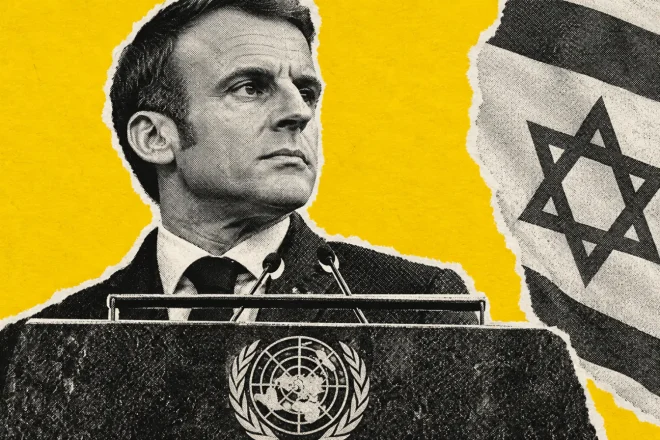
French President Emmanuel Macron took the floor at the United Nations to advocate for multilateral cooperation, a stance that has drawn criticism from Israeli officials, highlighting ongoing diplomatic tensions on the international stage.
TL;DR
- Emmanuel Macron supports the UN in final address.
- The French President condemns the situation in Gaza.
- Israel issues a swift and pointed response.
A Defining Moment at the UN Podium
At what is expected to be his final address to the United Nations, French President Emmanuel Macron made headlines with a forceful defense of the organization’s founding ideals. He also did not hesitate to sharply criticize the ongoing humanitarian crisis unfolding in Gaza, casting a spotlight on an issue that continues to divide world leaders and international audiences alike.
Macron’s Firm Support for Multilateralism
During his speech, Macron stressed the vital importance of a robust, independent, and respected UN, especially at a time when multilateral institutions face increasing scrutiny and skepticism. With pointed language, he underscored France’s enduring commitment to international dialogue, consensus-building, and peacekeeping as the most credible path forward in turbulent times.
A Blunt Condemnation of Gaza’s Situation
Yet it was his unvarnished condemnation of conditions in Gaza that drew particular attention. The French leader called out what he described as unacceptable suffering and urged immediate action from all parties involved. Several factors explain this decision:
- The ongoing escalation of violence.
- The deteriorating humanitarian environment.
- The perceived lack of progress in diplomatic efforts.
His remarks left little room for ambiguity about where France stands on this contentious issue.
An Immediate Response from Israel
Almost instantly, officials representing Israel responded to the French President’s address with palpable urgency. They rejected his assessment outright and offered their own perspective on the complex dynamics at play in the region. While brief, their intervention highlighted persistent rifts within the international community regarding responsibility and potential solutions for Gaza.
The exchange between Paris and Jerusalem at the UN underscores just how fraught—and consequential—diplomatic engagement remains over one of today’s most pressing geopolitical crises. As global attention pivots once more to New York, the legacy of such moments at the podium may well echo far beyond these walls.